Happy EDS/HSD awareness month to all zebras out there!
Here is an overview of my story to raise awareness about EDS and help fellow zebras feel less alone <3.

Close your eyes and imagine the sound of hoofbeats galloping along Earth’s surface. Thump, thump, thump. Now allow your mind to paint a picture of what creature is creating these rhythmic drum beats reverberating through your brain. What animal do you see? I don’t even need to ask. You definitely see a horse. Probably something along the lines of a majestic stallion with a shiny chocolate-colored coat and a black mane trailing behind in the wind. Bold of you to just go ahead and assume it’s a horse. What if the hoofbeats are instead, those of a zebra?
2006
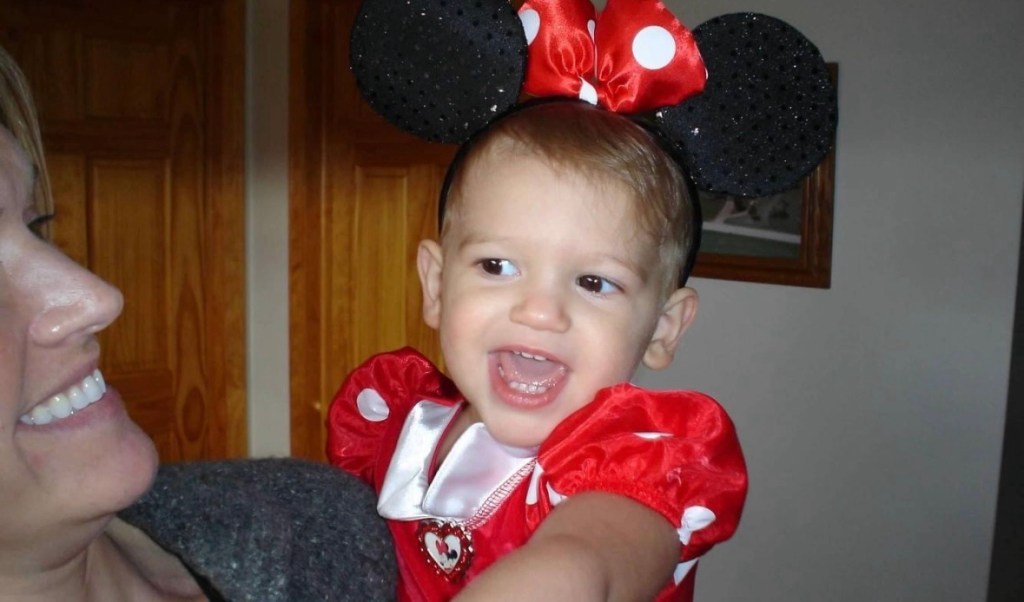
Baby’s first UTI!
The doctor informs my parents of their infant daughter’s first urinary tract infection. Unknowingly, the beginning of what would become a recurring problem. I am basically a newborn. And the cause of these chronic infections is a mystery.
2010

I am in my kindergarten classroom, sitting in front of a red, kidney bean-shaped table sticky and stained with purple Elmer’s glue and graphite. We are practicing writing our names. I pick up my pencil by placing it between my thumb bent backwards and my four remaining fingers stacked on top of one another. I smell my teacher’s coffee breath as she peers over my shoulder in examination–invading my personal space bubble. “Elle, sweetheart, that’s not how you hold a pencil,” she gently instructs me, manipulating my fingers around the yellow Ticonderoga. Once she is satisfied with my pencil-holding technique, she moves on to evaluate the student beside me, declaring that this particular student has a “beautiful” grip on the wooden stick. Feeling as though the pencil could drop from my hand at any given moment, I attempt to print the letters E-L-L-E as neatly as I can on the lined paper below with my newfound pencil grasp. After excessive effort and attention to detail…it looks awful. Nothing more than scribbles on a page. Making sure my teacher isn’t watching, I retreat back to my original, instinctive pencil hold and try again. This time, my name turns out perfect.
2014
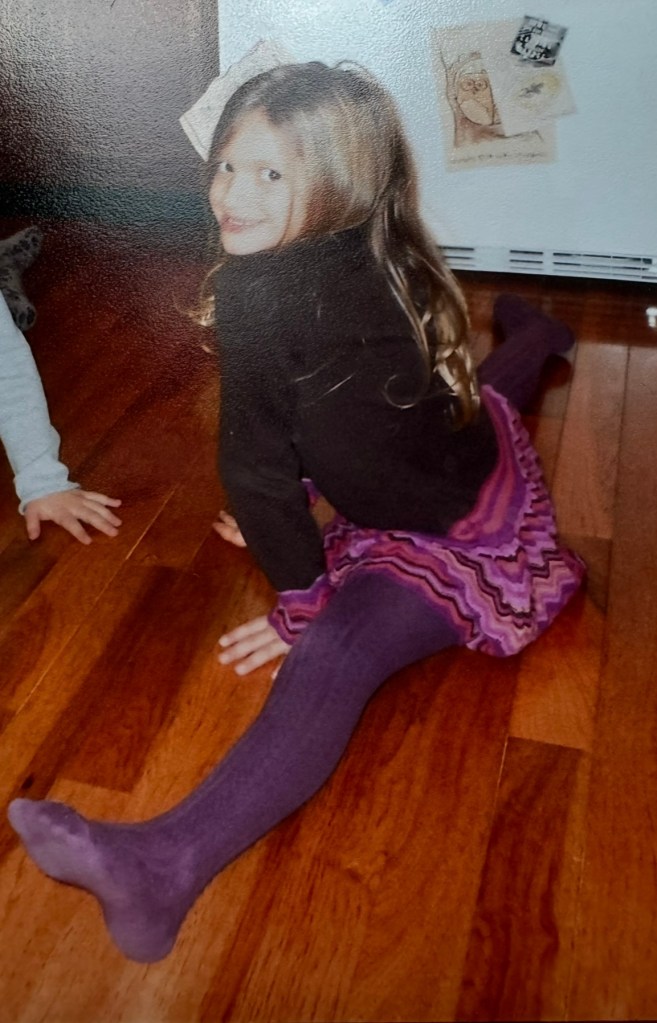
“Do it again!”
“Everyone, look at Elle!”
My third-grade classmates crowd my desk as I perform for them like a circus act, per their request. But I don’t mind too much. I find their fascination funny. Though I don’t necessarily love having forty-two eyes focused on me, even at eight years old, I take pride in being unique.
“Okay, okay. One more time!” I comply as I hold my hands behind my back and twist my arms up like a soft, doughy pretzel over my head. My classmates gawk at me in disbelief as they try to replicate my movements with utter failure to do so. I laugh. I have a superpower.
2015
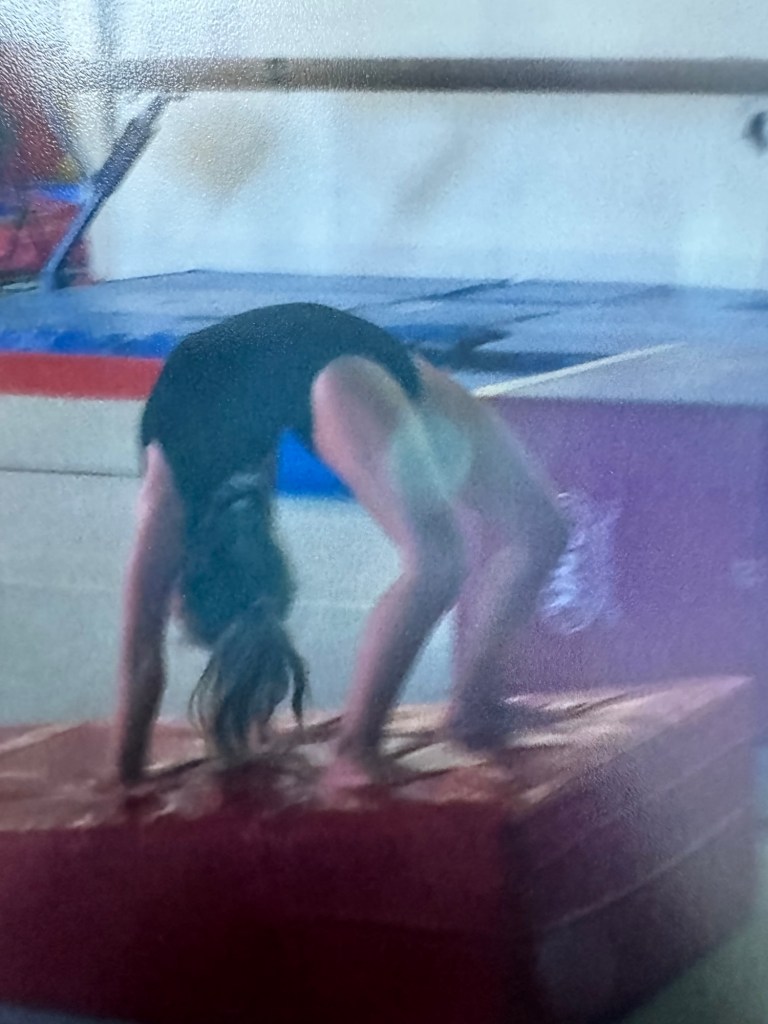
“I’ll be right here if you need me!” Mom assures me as she sets me free into the most exciting playground a little girl could imagine– gymnastics practice. I thrive here. I am a natural at this sport. We warm up as a team by stretching and I am the only one who can do a successful split on the first try. The other girls are jealous. They struggle to touch their toes.
Now it’s time to practice our backbends on the floor. The instructor watches us one by one and I am eager for it to be my moment. After an eternity of waiting my turn, I confidently step forward and fold backwards, planting my palms confidently on the ground. I walk my hands inward as far as I can go, and just barely miss touching my own heels from upside down. My lower back seemingly yelps at me in a sudden sharp pain, and my tiny wrists feel as though they could snap under the pressure of my body weight. I ignore this discomfort because my instructor is impressed; astonished even, as if she has never seen a flexible gymnast before. But behind my proud smile I begin to question: Am I a natural at this? Or am I just incredibly unnatural?
2015 (continued)
Mom hits send on a slightly mortifying email to my school teachers:
“Due to medical purposes, please allow Elle to use the restroom as often as needed.”
I am in elementary school. I still can’t control my own bladder.
January 2016:
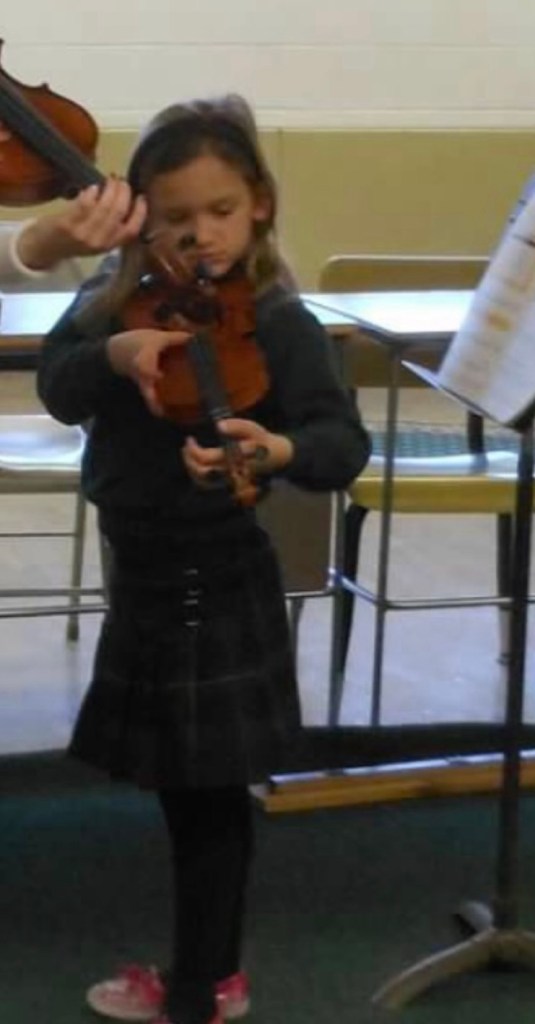
“This feels wrong,” I explain to my violin teacher as she tries tirelessly to get me to fix the way I hold my bow when I play. I get deja vu because suddenly I am back in my kindergarten classroom learning how to hold a pencil (and failing). She says I have a “death grip” on the instrument but the problem is, I can’t seem to hold on to it any other way without dropping it. The date of my first music festival is approaching, where I will be playing a solo to be evaluated and scored by a judge. “If you don’t fix your bow hold, the judges will take points off of your score” she threatens. She instructs me to “just relax” my hand– if only it were that simple. I try to hide my developing tears of frustration behind the music stand.
A few weeks later:
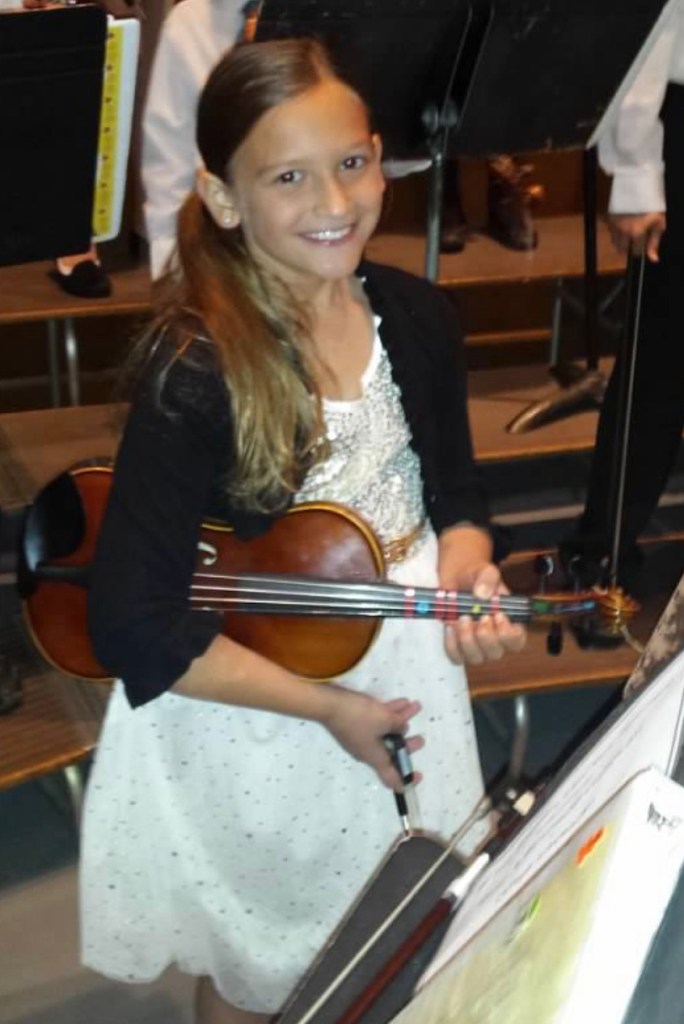
My heart is about to pound through my chest as I anxiously receive the paper with my score:
“Dear Elle,
Thanks for playing for me today! You have such a strong sound– it is lovely!
I would suggest working on your bow-hold, as you look rather tense.”
The bottom of the page shows that two points were deducted from my score for poor technique.
If it sounds so “lovely,” then why does it matter how it looks? I think to myself.
The following day arrives and I shamefully hand over the paper to my teacher. She peers over the rim of her glasses as if to say “I told you so.”
March 2016:
3:30pm, after school.
Tears.
Tears.
And more tears.
I cling to mom’s arm as she helps me stumble to the red couch in the living where I collapse and then proceed to drown in the salty tsunami pouring from my eyes. Mom crouches on the floor and gingerly removes the bandage wrapping from around both of my ankles to reveal a red, purple, and blue display of swelling on each.
“I can’t do it anymore” I utter through my heartbroken sobs. At only eight-years old, I declare the end of my own gymnastics career. A sport in which I thought I had a real future in.
Despite my devastation, I am not completely defeated. I still have swim. A sport I picked up at age three and never dropped because I easily excelled at it. A sport in which I knew deep down held a bright future for me (more so than gymnastics, let’s be honest). A sport that didn’t cause me pain–at least, nearly as much.
Late spring 2016:

Mom holds up her phone to my doctor, showing the photos she took of my ankles that day on the couch. It could not be more clear that something is wrong with the way my body responds to strenuous activity.
I can’t jump on the trampoline with the neighbor kids without my ankles blowing up like black and blue airbags.
I can’t run a 5k with my family without debilitating knee pain.
I can’t do the things I love most in life without suffering consequences from the body I live in.
“We have had some major bladder control and infection issues from the time we were born, is that right mom?” asks my pediatrician. Mom, perplexed at the seemingly unrelated question, nods her head.
“Your joint flexibility is easily a nine out of nine Beighton score–the highest measurable mobility in a human and you have chronic bladder problems. I think I know exactly what this is. You have Ehlers-Danlos Syndrome.”
Ehlers-what?
Ehlers-Danlos Syndrome (EDS): a connective tissue disorder causing irregular hypermobility of the joints, commonly affecting the function of organs such as the bladder.
“Fortunately for you, swimming is the most perfect sport for someone with your condition. Because it is low impact and non-contact, you can continue swimming as long as you’re mindful about caring for your symptoms” my doctor adds.
The sense of validation that floods my heart is overwhelming. Finally, I have an answer. Finally, I feel as though someone understands that I am not just a complainer because I say I am in pain. What I am, however, is an outgoing, athletic, ambitious young girl with an underlying health condition that no one besides myself can fully grasp the reality of.


Present Life As a Zebra:
Since that day I was diagnosed in third grade, medications have occupied just as much space as books on my nightstand. I no longer jump on trampolines; I no longer run 5ks (or run at all for that matter); I avoid late nights so my body can recover from the previous day; I have fought for accommodations in the classroom to assist me with my atrocious–but permanent– pencil hold; I have spent hours upon hours in waiting rooms and physical therapy just to have orthopedic doctors suggest I quit swimming for my shoulder health (I was only twelve at the time, nothing could make me quit), or get surgery to repair the broken down tissue in my knees–both options which turned out to be entirely unnecessary. And I have learned to embrace the quirks and characteristics that make me beautifully unique. The same quirks and characteristics that made my younger self believe I have a superpower (which turned out to be a chronic illness, but who’s to say they can’t be the same thing!)
Oh! I apologize. You’re probably still wondering how on Earth a zebra could possibly relate to flexibility and poor bladder control. Remember how I said my qualities make me “beautifully unique?” Well, that’s the idea. The zebra is the universal animal that represents EDS patients, as we can almost hide in plain sight–at a glance, looking like the common horses that surround us; but at a closer look, have attributes that make us stand out from the crowd; and well, just a little different from the rest.
My EDS journey is a book that continues to write itself every day. I am still learning how to manage my symptoms, still learning about the various types of the condition and experiences of other patients; and most significantly, still learning to advocate for myself and speak up for my medical needs–in other words, not shying away from showing my zebra stripes in a horse’s world. My symptoms stretch (no pun intended) far beyond a bendable body and brutal bladder. Every day I combat chronic fatigue, headaches, dizziness, sleep problems, muscle tension, and often a sense of isolation feeling like no one understands me–but how could I expect them to? Despite the daily battle with my own body, I try to view my circumstances as a gift, instead of focusing on the ways they restrict me. I firmly believe that my natural mobility has contributed to my success in the pool, giving me an edge on my less flexible, commonly constructed competitors.
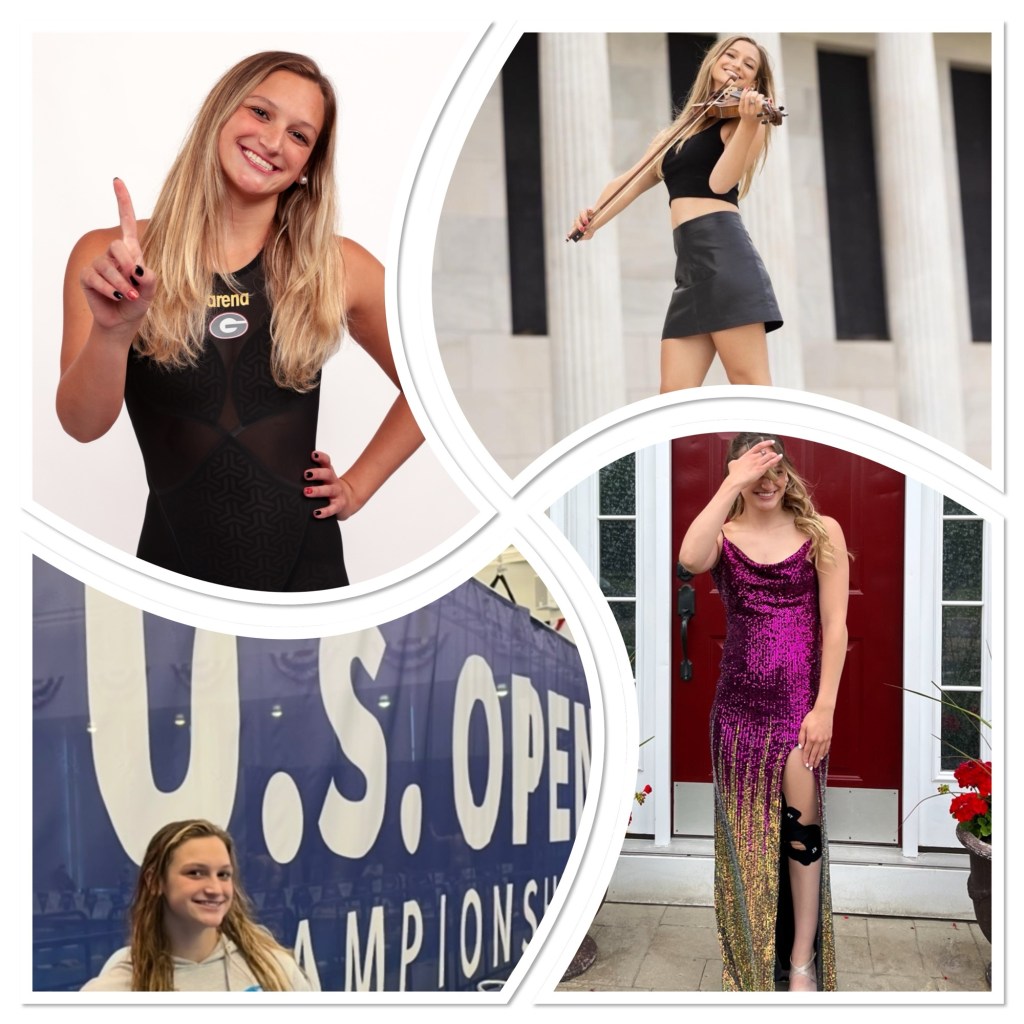
My swimming career continues today as I compete collegiately for the University of Georgia at an athletic level that I once only reached in my wildest dreams. Though my childhood experience has not necessarily been typical, I truly would not choose to change it. I have learned to love who I am (for the most part–self love is a process). I find so much value in personal authenticity and proudly embrace my identity as the local contortionist who can’t go an hour without running to the restroom.
We all have attributes that make us unique. We all have superpowers. And if being a zebra has taught me anything, it’s that it doesn’t matter how you hold your pencil. What matters is how you write your story.
Author Note:
As mentioned before, this life-memoir only represents a fraction of my EDS journey, capturing some of the most defining moments. Writing this post was the most personally liberating experience, being the first documentation of my life as a zebra outside of doctor’s notes and medical papers. For the first time, I felt a sense of true ownership over my stripes and a weight off my shoulders. Thank you for reading, I am so grateful. Stay tuned for more content!
 Chronically Elle
Leave a comment