Happy Adopt a Shelter Dog Month! My senior year of high school for a final Capstone project I had the amazing opportunity of deep diving into the ethics (or non-ethics) of dog breeding, a topic I am highly passionate about (if you know me, you know). One of the products of that exploration was this research essay that I thought would be perfect to share for October which is National Adopt a Shelter Dog Month. I hope this paper allows you to take away something new!
Attached below the essay is a Slides presentation that provides further information and photographs on the topic.
Elle Noecker, November 20, 2023
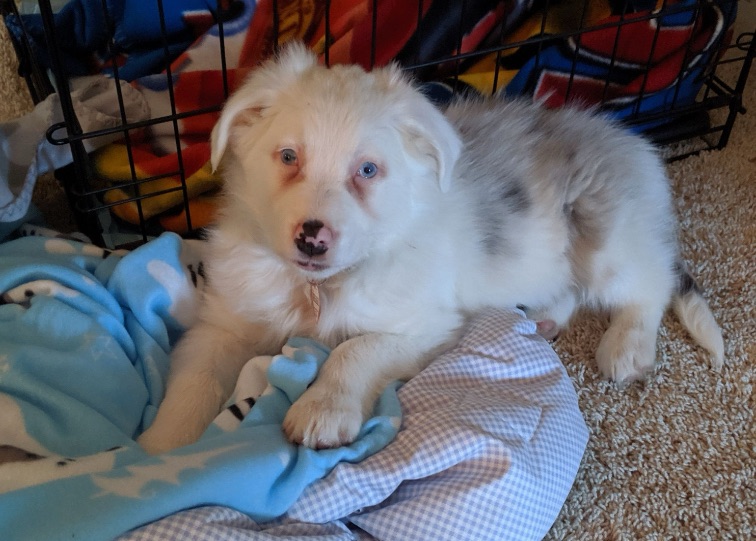
“Aww,” “It’s so cute,” “Can I pet him?” Attention pours at you as you go on your first walk around the block with your new, adorable, three-thousand dollar, purebred golden retriever puppy you just purchased from that top of the line breeder your neighbor recommended after they bought their stunning Australian Shepherd (Aussie) last year. The experience of owning a new puppy is unlike any other. You love your new companion, and your pup reciprocates his love for you with a sloppy lick across your face. On the surface, life is good for everyone as far as you are aware. In this moment, what goes unnoticed is the golden retriever puppy just like yours who is stuck behind bars in a shelter, watching the clock tick as his scheduled day of euthanization approaches, hanging on to the hope of being adopted before then. Or how the brother of your neighbor’s fabulous Aussie lives a life in darkness as a result of the hearing and visual impairments he was born with at a puppy mill. The pugs and the bulldogs of the world struggle to breathe because of their squished noses. Cries of devastation echo down the halls of the local animal shelter as space to house the homeless pups becomes increasingly scarce and overpopulation in shelters exponentially grows. All the while, the breeder you just supported by buying a dog cackles in delight at the money he is making off of the puppies born from neglected and abused mother dogs who never see the light of day. With all that being said, there is no shame in adoring your new golden retriever unconditionally. After all, he is your new best friend. The real shame comes from the continuation of dog breeding, as the practice is undoubtedly immoral and unnatural. Dog breeding for profit is responsible for genetic alterations in breeds and encourages overpopulation in shelters, making the practice selfish and unethical.
When looking to welcome home a new family pet, many families are unaware of the options available outside of puppy mills, also known as “puppy farms”(Bateson 29), and breeders, or they simply do not understand the cruelty of the business they are supporting. The term “puppy mill” might be entirely foreign to the common puppy lover with good intentions. Puppy mills alone exemplify the cruelties of animal breeding, as they are essentially dog factories where dogs are “ forced to breed their whole lives until they are physically incapable”(Katz) while puppies are produced at unnatural rates and sold for high profits. The five hundred thousand female dogs who are imprisoned in puppy mills today (“Stopping”) are kept by the business owners solely to reproduce, and are either pregnant or nursing at all times (Katz). Both the puppies and mother dogs in puppy mills experience lack of socialization with humans and dogs outside their litter as well as poor hygiene and healthcare that leads to disease and illness (Bateson 29). Additionally, many people are unaware that they are supporting a puppy mill when they buy dogs from pet stores. If the pet store is not associated with any apparent animal rescue, that implies that the dogs were purchased from a puppy mill and traveled in inhumane conditions to arrive at the pet store and be sold to the public (“Stopping”). Many will accept that puppy mills are unethical, but claim that responsible breeders do exist. Although there are breeders out there who prioritize the well-being of their animals and finding them good homes (Katz), statistics representing the population of shelter animals prove that breeding as a whole is unnecessary when mass amounts of animals are packed in shelters (“Pet”).Whether the breeder is responsible or not, as the buying and selling of puppies continues, more animals become homeless in shelters and desperate for adoption, which makes it unquestionable whether or not the practice of breeding as a whole is ethical—it is not.
While thousands of unsuspecting families make their way over to a local breeder to buy their dream pure-bred pup, the exact type of dog they are looking for loses its life in a shelter to clear space for incoming dogs. Dogs upon dogs pile into shelters each year causing rapidly decreasing space to house animals in shelters. While this occurs, more dog breeding businesses are supported, allowing the calamity of shelter overpopulation to increase. Three hundred-ninety-thousand dogs are euthanized per year (“Pet”) as shelters cannot keep up with the mass amounts of neglected and abandoned canines pouring in at constant rates. The main cause of this shelter overpopulation crisis is the breeding business. Breeding dogs encourages more people to purchase pets rather than adopt and simply puts more homeless puppies into the world; while 3.1 million dogs enter shelters in the United States (U.S.) per year (“Pet”). Many will argue that the reason they do not visit a rescue before buying from a breeder is due to the fact that the breeder possesses the pedigree dog they desire. What many are unaware of, is that animal abandonment occurs for countless reasons and can happen with any breed; therefore, any breed that can be bought from the cruel hands of a puppy mill can also be found waiting behind bars in an animal shelter. The ethical and more logical choice when debating going to a breeder or not is taking a trip to the shelter with a high likelihood that the desired dog breed will be present all the while avoiding dog breeders.
Oftentimes puppy mills or breeders who claim to be “responsible” will lure in customers by promoting a promise of health and physical welfare of their animals even if that is untrue, or the health of the animal was never checked in the first place. Countless popular dog breeds both mixed and pedigree (purebred) suffer from health effects that are the cause of breeding. There are more than eighty disorders in dogs that stem from aiming for certain breed standards, all of which can have detrimental effects on a dog’s welfare and health (Farrell). Two of these harmful genetic disruptions include Brachycephalic airway syndrome and being born as a homozygous merle, also known as “double merle.” In her article, “Brachycephalic Airway Syndrome in Dogs,” Veronica Higgs describes this syndrome as “a specific combination of abnormalities affecting a dog’s airway and breathing, resulting from selectively breeding for this appearance” (Higgs). Breeding dogs puts certain breeds at a high risk of being born with these abnormalities such as, “[t]heir unique smooshed face [as] a result of shortened skull, facial, and nasal bones. This structural shortening of the face also results in anatomical changes to their throat and airways, creating brachycephalic airway syndrome” (Higgs). Brachycephalic dogs not only suffer from breathing abnormalities, but have also been reported by multiple studies to have more trouble giving birth than most breeds as well as shorter life spans than other breeds of the same size (Bateson 32). An additional common genetic disruption that many dog breeds face is known as “double merle” which usually results in deafness and vision impairments (“What”). Double merle dogs are born through the mating of two dogs carrying a merle gene. When mating occurs with one dog carrying a merle gene and the other dog not carrying the merle gene, the puppies have no chance of being double merle. However, oftentimes breeders who are either uneducated on the causes of merle to merle breeding or are simply careless, will breed two merle dogs to achieve a certain coat pattern, leaving the puppies with a twenty-five percent chance of being born double merle and living life as deaf, blind, or both (“What”). The causes of the hearing and vision impairments in double merle dogs comes from the lack of pigmentation in the skin and fur caused by this particular genotype (“What”). Double merle dogs can be recognized through their snow white fur and often cloudy, sky blue eyes and are highly common in Australian Shepards (“What”). Double merle and brachycephalic airway syndrome are only two of innumerable interruptions in a dog’s health and genetic makeup from breeding that cause them harm. Pedigree breeding, or breeding for purebred dogs, is extremely common and more harmful than many people are aware of. Breeders will advertise their purebred dogs to have perfect health and wellness, while they will fail to share that pedigree dogs are often created through inbreeding. Due to the irresponsibility of inbreeding which is the mating of dogs closely related to one another genetically, pedigree dogs are “twice as likely to suffer from cancer than non pedigree dogs,” according to a recent telephone survey conducted in Italy (Bateson 31). All of these factors contribute to the very clear answer of whether or not dog breeding is an ethical practice. Animal suffering is an almost inescapable consequence of breeding dogs.
Breeding animals, particularly dogs, is undoubtedly problematic in terms of health and welfare problems and the crisis it causes in shelters. These health problems and overpopulation of homeless dogs generate from the selfish desires of humans. Altogether, these factors make dog breeding a selfish practice, as humans are driven by their own curiosity to mate dogs even if it is unnatural or problematic. Doing so has numerous negative impacts. For instance, Brachycephalic airway syndrome is created when dogs are bred “for a cosmetic appearance of short snouts with flat faces. Their anatomically shortened heads lead to structural changes to their throats and airways, which can cause trouble breathing and make these dogs prone to overheating” (Higgs). Dogs should not have to endure burdens that cause them harm such as brachycephalic syndrome simply because it enhances the cosmetic appearance of the animal. Researcher Elizabeth (Liz) Paul at The University of Bristol Veterinary school examined a phenomenon known as the “cute effect,” which was given the official term “kindchenschema” in her research write-up titled “Are Brachycephalic Dogs Really Cute?” “The cute effect” refers to how the characteristics of infant humans cause observers to feel “affectionate, protective, nurturant, and [exhibit] non-threatening [behavior]” (Paul “Are Brachycephalic Dogs” 2) over the one being observed. Dog breeds such as pugs and bulldogs are created to have lasting appearances of youth including large eyes and foreheads which are attractive traits in something that might be described as “cute” (Paul “The brachycephalic”1 ). This effect is a driving force behind mating dogs breeds that would not naturally mate just to create a dog with a flat, round face that evokes the same emotions as a human baby would. The “cute effect” is therefore the cause of reduced welfare for dog breeds prone to brachycephalic airway syndrome and other health concerns because they are profitable and adorable to look at. Lecturer in Wildlife and Conservation at the University of Bristol, Nicola Rooney raises the question if breeding of the English Bulldog should be banned due to the breed suffering difficulties breathing, walking, mating, and giving birth. Similar discussion is continuously conducted for other breeds whose lives are also highly compromised due to breeding (Rooney 8). These dogs are born with unnecessary struggles due to the mere curiosity of humans experimenting to create the ‘cutest’ dog possible, despite the fact that the birth impediments can be fatal or make life less enjoyable for the pup. Double merle dogs also often experience reduced quality of life due to dog breeding. Ignorant or negligent breeders often breed together two dogs with a merle gene simply to create puppies with a beautiful coat that will greedily flood their bank account with sales. Of course, puppies who are at high risk of being born with vision impairments, deafness, or both, are just as capable of being as happy as any other dog; however, due to the selfish desires of humans, they will never know the world as a typical dog should. The reason that so many double merles are born is simply because the merle coat pattern is unusual and unique, therefore making it a popular seller amongst breeders (Jackson). In Sophie Jackson’s article “The Double Merle Dog and The Dangers of Merle-to-Merle Breeding” she states, “[t]he merle coat pattern is popular because it is unusual and very unique, with each merle dog having a different coat pattern” (Jackson). Dog shoppers are fascinated by the uniqueness of the dog’s coat and the consideration of the animal’s welfare goes out the window. A high population of dogs bred for the merle gene is for dog shows, which exploit dogs for their appearances and encourage unethical breeding. According to Jackson, “[t]he breeding and possible destruction of disabled pups has led to heavy criticism of merle-to-merle matings[…][S]uch breeding brings the ethics of all dog breeders into question and casts a pall over the show dog world” (Jackson). She elaborates on how “dog breeders are the worst offenders for producing double merles because they are striving for the perfect merle coat pattern” (Jackson). The selfish drive to have a ‘cool looking’ dog is ultimately the result of so many dogs being born deaf and blind; therefore, representing the immoral motives behind breeding dogs. The idea of so many dogs being born deaf and blind in itself is heartbreaking enough, but what almost always happens to these pups is even worse. Double merles may seem incredibly uncommon, but the true reasoning behind the lack of public awareness about double merles is that puppy mill owners will often kill their double merle born dogs before they are even given a chance at finding a home (“Double”). Dogs with disabilities are viewed as unprofitable to puppy mills, as they do not sell as often as the dogs who can see and hear; therefore, they are euthanized or thrown away before potential adopters even know they exist. Supporting puppy mills supports the likelihood of dogs being born disabled which ultimately supports the killing of innocent puppies, making these dog factories and the act of purchasing from them unquestionably unethical. It is beyond evident that dog breeding thrives because of the looks humans are able to create in canines, which is detrimental to the animals’ welfare.
Many people do believe that ethical breeding exists, arguing that there are breeders out there who put the dog’s best interest first. The debate on whether dog breeding is moral contains strong perspectives on both sides as certain people who breed dogs for profit do so with the health of the animal in mind above all else. In a journal titled “The Pedigree Dog Breeding Debate in Ethics and Practice: Beyond Welfare Arguments,” a group of researchers stated “(un)acceptability of Pedigree dog breeding should not stop with welfarist or animal rights views, but calls for a broader reflection on the good life” (Bovenkerk). These beliefs suggest that interfering with nature to breed dogs is not a negative practice if the intention centers around quality of life for the dog. Some also claim that dogs should be intentionally bred for certain qualities to perform a job or fulfill a role. For instance, Labradors are commonly bred by service dog schools, using genetic techniques to create the most desired and promising characteristics for service dogs. However, a statistic of only thirty to forty percent of these dogs graduate from their service training (Teague). Although breeds such as Labradors have proven themselves to work great as service dogs, mixed breeds are starting to get the recognition they deserve and are showing that they too, make excellent service animals. Dog training organizations such as Putnam service dogs are actively training rescued dogs to be service animals. With the goal of emptying shelters of homeless animals, Putnam service dogs trains mixed breed rescue dogs “who exhibit the necessary traits; the right head and heart” (Teague). If the dog does not prove to be an ideal service dog, they will be adopted out by the staff. Putnam Service Dogs represents an impeccable defense against those who claim that breeding dogs for certain traits beyond appearance is ethical. Dogs with all qualities can be found behind bars in shelters, and there is no need to bring extra Labradors into the world—especially when less than half of them graduate training regardless. Even if the breeder has nothing but good intentions for the dog’s life and the goal is to create a happy and healthy pup that will become a service dog for someone who is blind or deaf, the priority should always be to clear the shelters before breeding new pups. There are infinite loopholes to the common argument that ethical breeding does exist. It can be proven time and time again by organizations such as Putnam service dogs that the act of breeding dogs is not necessary in any circumstance until shelters are cleared, making the practice entirely unethical.
Breeding for profit as a practice goes against all moral ideals and negatively impacts animals in countless ways simply because people desire certain appearances in their pets.
To quote professor of Ethology at The University of Cambridge, Patrick Bateson:
To the outsider, it seems incomprehensible that anyone should admire, let alone acquire an animal that has difficulty in breathing or walking. Yet people are passionate about owning and breeding animals which they know and love, even though the animals manifestly exhibit serious health and welfare problems.” (Bateson)
This statement directly reflects the issues that align with dog breeding, as the practice manifests issues to animal welfare merely to appease pet owners. All of these issues dogs face are totally preventable by avoiding unethical, intentional dog breeding. Many people who claim to love dogs support businesses that ultimately and straightforwardly harm the animals that they sell. The health problems, shelter overpopulation problems, and the selfish ego’s of the human race to own a dog for its appearance enhance the validation that dog breeding is unethical. Whether it is a responsible breeder, or an abusive puppy mill, there is no need for dogs to be bred for profit whatsoever, as it only encourages the destruction and homelessness of the shelter dogs who are never given a chance at adoption. The people who have bought dogs from breeders in the past can enjoy and love their companions regardless of where they came from, but the cruelty and shame derived from the existence of the puppy breeding business as a whole lives on until the deaf and blind dogs are given their senses back and the brachycephalic pups can finally breathe.
For more photos and information, check out this Google Slides presentation I also made for my Capstone project :).
Works Cited
Bateson, Patrick. Independent Inquiry into Dog Breeding, 2010.
“Double Merle Dogs: A Lethal Genetic Combo That’s Totally Preventable!” The Dogington Post, 27 May 2022, http://www.dogingtonpost.com/double-merle-dogs-a-lethal-genetic-combo-thats-totally-preventable/#:~:text=However%2C%20so%20many%20of%20these,or%20what%20breed%20they%20are.
Bovenkerk, Bernice, and Hanneke J. Nijland. “The pedigree dog breeding debate in Ethics and practice: Beyond welfare arguments.” Journal of Agricultural and Environmental Ethics, vol. 30, no. 3, 2017, pp. 387–412, https://doi.org/10.1007/s10806-017-9673-8.
Farrell, L.L., Schoenebeck, J.J., Wiener, P. et al. The challenges of pedigree dog health: approaches to combating inherited disease. Canine Genetic Epidemiol 2, 3 (2015). https://doi.org/10.1186/s40575-015-0014-9.
Katz, Robyn F. “What Is a Puppy Mill?” Animal Law Legal Center, 1 Jan. 1970, http://www.animallaw.info/article/what-puppy-mill.
Higgs, Veronica. “Brachycephalic Airway Syndrome in Dogs.” PetMD, 6 Jan. 2023, https://www.petmd.com/dog/conditions/respiratory/brachycephalic-airway-syndrome-dogs. Accessed 13 May, 2023.
Jackson, Sophie. The Double Merle Dog and the Dangers of Merle-to-Merle Breeding, pethelpful.com/dogs/What-is-a-Double-Merle-Dog-The-Dangers-of-Merle-to-Merle-Breeding. Accessed 1 Oct. 2023.
Nicola Rooney and Sargan David. “Pedigree dog Breeding in the UK: a major welfare concern?” 2009, http://www.terrierman.com/PDE-RSPCA-FULL.pdf.
Paul, Elizabeth S., et al. Are Brachycephalic Dogs Really Cute? Evidence from Online Descriptions, Anthrozoös, DOI, 27 Feb. 2023, 10.1080/08927936.2023.2176590.
Paul ES, Packer RMA, McGreevy PD, Coombe E, Mendl E and Neville V (2023). That brachycephalic look: Infant-like facial appearance in short-muzzled dog breeds. Animal Welfare, 32, e5, 1–13 https://doi.org/10.1017/awf.2022.6
“Pet Statistics.” ASPCA, http://www.aspca.org/helping-people-pets/shelter-intake-and-surrender/pet-statistics. Accessed 1 Oct. 2023.
“Stopping Puppy Mills.” The Humane Society of the United States, 2023, http://www.humanesociety.org/all-our-fights/stopping-puppy-mills.
Teague, Nancy. “Best Service Dog Breeds According to Putnam Service Dogs.” Putnam Service Dogs, Inc., 28 July 2023, http://www.putnamservicedogs.org/mixed-breed-service-dogs/#:~:text=Although%20they%20might%20not%20be,and%20longevity%20of%20the%20dogs. “What Is a Double Merle?: Double-Merles.” Double Merle, http://www.doublemerles.info/what-is-a-double-merle. Accessed 1 Oct. 2023.
 Chronically Elle
Leave a comment